

India's Mango Crisis: After Japan, Nepal Shuts the Door Too
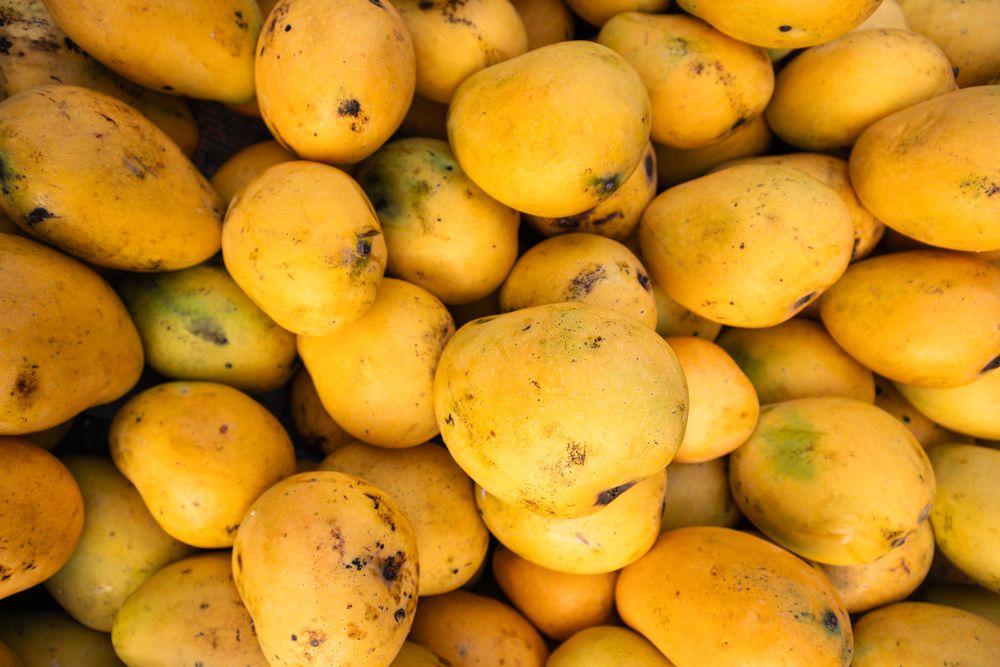
India, the world's largest producer of mangoes, is facing a mounting export crisis just as the peak harvest season hits its stride. In a matter of weeks, two countries — Japan and Nepal — have separately moved to restrict Indian mango imports, sending shockwaves through an industry already battered by heatwaves, shipping disruptions, and rising costs.
Japan: A Premium Market Lost Over Quarantine Failures
The trouble began in late March 2026, when Japanese plant quarantine officials visited a Vapour Heat Treatment (VHT) facility in Rehmanpur, Uttar Pradesh — one of India's approved export processing centres. What they found was troubling: deficiencies in fumigation procedures and disinfection measures that fell short of the strict bilateral protocols agreed upon between the two countries.
The fallout was swift. The Yokohama Plant Protection Association issued a notice stating that mango consignments carrying Indian inspection certificates issued on or after March 25, 2026, would not be accepted. Japan's Ministry of Agriculture, Forestry and Fisheries (MAFF) clarified that the suspension was not about pesticide residues, but about failures in agreed plant quarantine procedures — including risks of introducing the Oriental fruit fly and melon fly into Japan.
The ban affects six premium varieties approved for export under a special bilateral arrangement: Alphonso, Kesar, Langra, Banganapalli, Chausa, and Mallika. Among these, Gujarat's Kesar mango accounted for the largest share of India's exports to Japan in 2025–26, out of exports worth approximately $1.54 million to the Japanese market.
This is only the second time Japan has halted Indian mango imports — the first was in 1986, over fruit fly infestations. That ban lasted nearly 20 years before India regained access in 2006 through extensive negotiations and mandatory VHT protocols. History, it seems, has repeated itself, exactly two decades later.
Some Indian exporters have pushed back, alleging that the inspection process lacked fairness.The controversial point here is that exporters are questioning why there was a blanket ban instead of a facility-wise suspension. Whether or not that's the case, the suspension remains in force until Japan confirms that corrective actions have been implemented.
Nepal: Pesticides Cross the Safety Line
Weeks after Japan's move, Nepal followed suit — though for a different reason entirely.
Nepal's Ministry of Agriculture and Livestock Development restricted Indian mango imports after border quarantine inspectors detected pesticide residues exceeding Maximum Residue Limits (MRL) in multiple consignments entering the country. The decision affects shipments arriving through key border checkpoints, including Bhithamod, and has been in effect since April–May 2026.
Before the suspension took hold, approximately 15.8 metric tonnes of mangoes worth nearly ₹1 million had already entered Nepal through official channels. Now, the gates are shut.
Nepali officials have framed the ban as a food safety and consumer protection measure. Ajaya Gyawali, Information Officer at the Ministry of Land Management, Agriculture and Cooperatives of Madhesh Province, noted that the restriction has had an unintended silver lining for domestic farmers: "It has promoted local production, which is a positive development." Madhesh Province alone is projected to produce around 400,000 metric tonnes of mangoes this year.
However, Nepal is not fully self-sufficient in mango supply. The local mango season lasts only about two months (mid-May to mid-July), and domestic production cannot meet year-round demand. Traders are already warning of shortages and price hikes. In Kathmandu, mango prices currently hover around NPR 100–150 per kg — but could climb further if the ban holds. A similar situation unfolded with bananas: after restrictions on Indian banana imports, prices shot from NPR 120–150 per dozen to NPR 250–300.
Fruit sellers and industry representatives have urged the Nepali government to strengthen quarantine inspection systems rather than impose a blanket ban — arguing that a testing-and-certification approach would protect consumers without disrupting trade.
A Season of Compounding Pressures
The dual bans arrive at one of the worst possible times for Indian mango exporters. The 2025–26 season was already under strain from multiple directions:
- Heatwave damage: Severe heat in Maharashtra's Konkan region significantly damaged the Alphonso crop this year, reducing yields for one of India's most prized export varieties.
- Shipping disruptions: The ongoing West Asia conflict has created acute shortages of refrigerated containers, with freight charges rising sharply and a $4,000 war surcharge making traditional shipping routes economically unviable for many exporters.
- Export volume decline: Overall Indian mango export volumes were already down 20–30% before the bans, partly due to these geopolitical and logistical pressures.
India exported nearly 30,000 tonnes of mangoes globally in 2024–25, valued at around $56.5 million. Its top export markets are the US, UAE, UK, the Netherlands, and Saudi Arabia. While Japan and Nepal are not among the largest buyers by volume, Japan represents a high-value premium market, and Nepal is an important regional one.
What Needs to Change
The dual bans point to a structural issue: India's agricultural export ecosystem needs stronger, more consistent quality control — from the farm to the treatment facility to the border checkpoint.
For Japan, the immediate priority is implementing the corrective action plan requested by MAFF, addressing the fumigation and disinfection deficiencies identified at VHT facilities. The Indian government has reportedly initiated formal negotiations with Tokyo to seek resolution.
For Nepal and the broader international market, the concern about pesticide residues is a longer-term challenge. Industry bodies have called for stricter pre-shipment testing, better farmer awareness of MRL norms, and investment in quality certification infrastructure.
The good news is that India has solved this problem before. After the 1986 Japan ban, nearly two decades of effort produced a robust export protocol that opened premium markets for Indian mangoes. The question now is whether India can act faster this time — and whether these recent setbacks will finally become the catalyst for systemic reform across its fruit export supply chain.
As the king of fruits faces unprecedented scrutiny abroad, the stakes couldn't be higher for Indian farmers, exporters, and the country's agricultural trade reputation.
written with help of AI
Sources: Business Standard, Fruitnet, The Print, BizzBuzz News, Orissa Post, South Matters, Business Today
Grace Ferro Exports
A global trade leader committed to excellence in agricultural and industrial exports.